
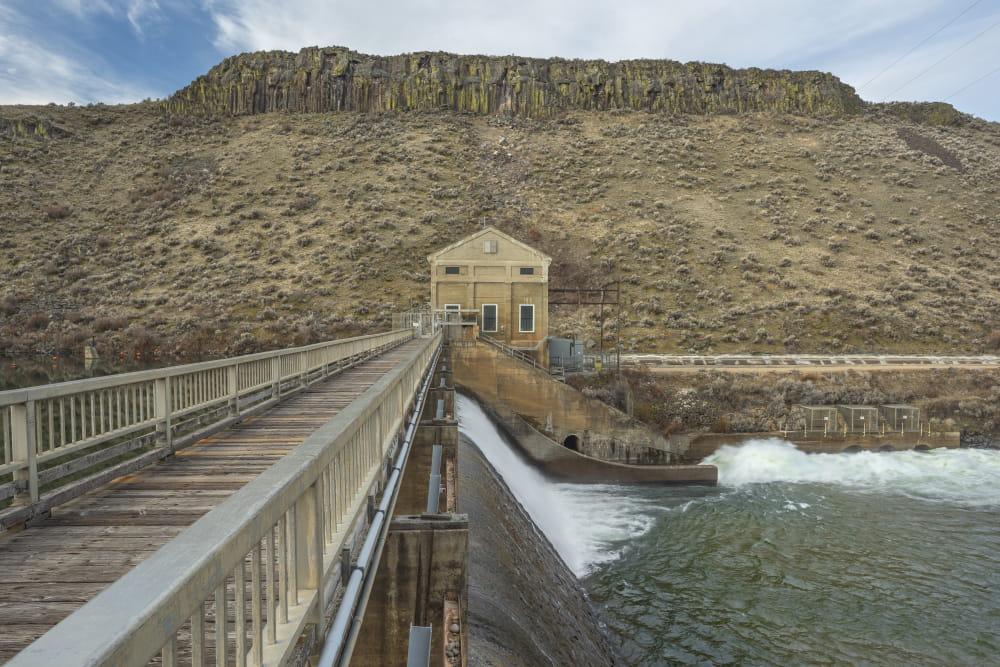
Recent weather patterns have brought a welcome change to Cape Town, where a series of cold fronts have significantly boosted water reserves. The Western Cape faced severe weather earlier this week, which alleviated fears of water shortages that had been growing due to lower dam levels compared to last year. The recent rainfall has shifted the mood from concern to cautious optimism among officials monitoring the situation.
As of Wednesday, water levels in Cape Town’s six major dams surged to 67.8%, a considerable increase from 48.3% just a week ago. This jump in storage capacity is closely examined by the City of Cape Town and the National Department of Water and Sanitation. Their assessments are crucial in deciding whether to impose water restrictions on residents and businesses, as maintaining adequate dam levels is vital for the city, often known as the Mother City, to ensure a stable water supply.
The dams not only cater to Cape Town but are also integral to the Western Cape Water Supply System, which includes a network of dams, pump stations, pipelines, and tunnels. This system is essential for managing water resources across the region. Besides serving the city, it supplies water to towns in the Overberg, Boland, West Coast, and Swartland areas, while also supporting agricultural irrigation needs.
With the recent rise in dam levels, the region can momentarily ease its worries about water scarcity. However, officials remain vigilant, closely monitoring the situation to ensure the long-term security of water supplies for both urban and agricultural demands. The heavy rains have provided much-needed relief, yet ongoing attention to water management remains crucial for sustaining this temporary reprieve.