
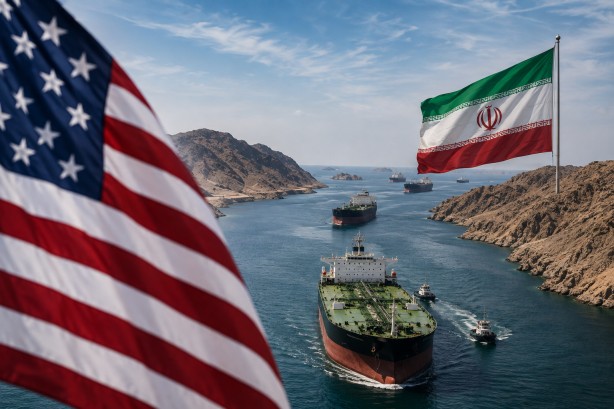
The United States has expressed optimism over ongoing negotiations with Iran aimed at reopening the Strait of Hormuz, with a potential agreement anticipated in the coming days. US Treasury Secretary Scott Bessent highlighted the progress in discussions with Tehran and conveyed hope for a breakthrough. He emphasized that the agreement would allow commercial vessels to transit the vital waterway without incurring toll fees, thus maintaining freedom of navigation.
Qatar, playing a crucial role as a mediator in these talks, has confirmed that a de-escalation framework is under circulation among the involved parties. This diplomatic effort is critical as the Strait of Hormuz remains a key passage for global oil and energy shipments and has been significantly disrupted due to escalating tensions in the region. Consequently, mere prospects of an agreement have already led to a reduction in oil prices, with analysts predicting further declines should normal shipping operations resume.
In a recent statement, President Donald Trump revealed that he had postponed a planned military response against Iran to give negotiations a chance to succeed. He underscored that any forthcoming agreement should not only facilitate the reopening of the Strait of Hormuz but also address concerns surrounding Iran’s nuclear program.
Previously, a US-Iran attempt to reopen the strait had faltered due to disagreements over shipping routes, which consequently heightened tensions. Current negotiators are now focused on forging a new accord that could restore maritime traffic and contribute to stabilizing the region.