
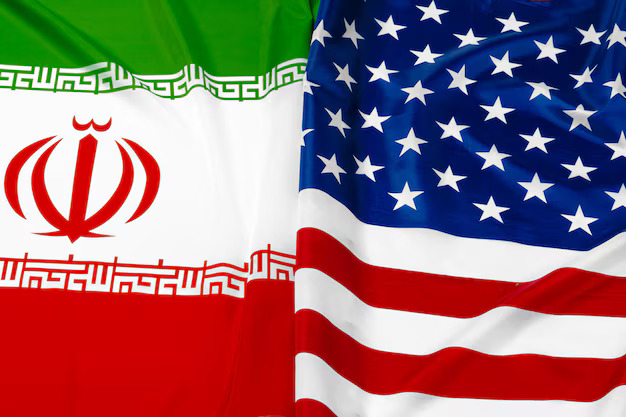
The United States and Iran have brokered a peace deal intended to conclude nearly four months of Middle East hostilities. Officials from both nations confirmed the agreement, which mandates an immediate cessation of military activities across various fronts, including Lebanon. As part of the accord, US President Donald Trump declared that the Strait of Hormuz, a vital corridor for global shipping, will be reopened. This move is anticipated to resume international oil shipments and alleviate stress on the global energy markets. However, discrepancies in statements from both parties indicate some uncertainty about the exact timeline for fully restoring access to the strait.
Details of the agreement outline plans for a formal signing ceremony in Geneva set for June 19. The deal includes the removal of US naval constraints and initiatives to reestablish commercial shipping through the Strait of Hormuz. Additionally, the peace framework is expected to afford Iran increased access to international oil markets, providing a potential boost to its struggling economy. More intricate issues, such as Iran’s nuclear ambitions, are slated to be addressed during a 60-day window of negotiations aimed at reaching a more comprehensive settlement.
This announcement follows heightened tensions in Lebanon, where recent Israeli military actions had cast doubt on the stability of ongoing discussions. Iran had insisted that the agreement must encompass all regional conflicts, including the situation involving Hezbollah in Lebanon. Though the deal has been hailed as a significant diplomatic milestone, experts remain skeptical about resolving the deep-rooted disputes within the proposed timeframe. Regional security concerns persist, notably regarding Iran’s missile program and its backing of allied groups in the Middle East.
The reopening of the Strait of Hormuz is expected to favorably impact global energy markets, but specialists caution that restoring routine shipping operations and mending infrastructure damaged by conflict could take months. The peace agreement, despite being a promising step towards stability, leaves many challenges unresolved and requires careful navigation in the coming months to ensure long-term peace and cooperation.