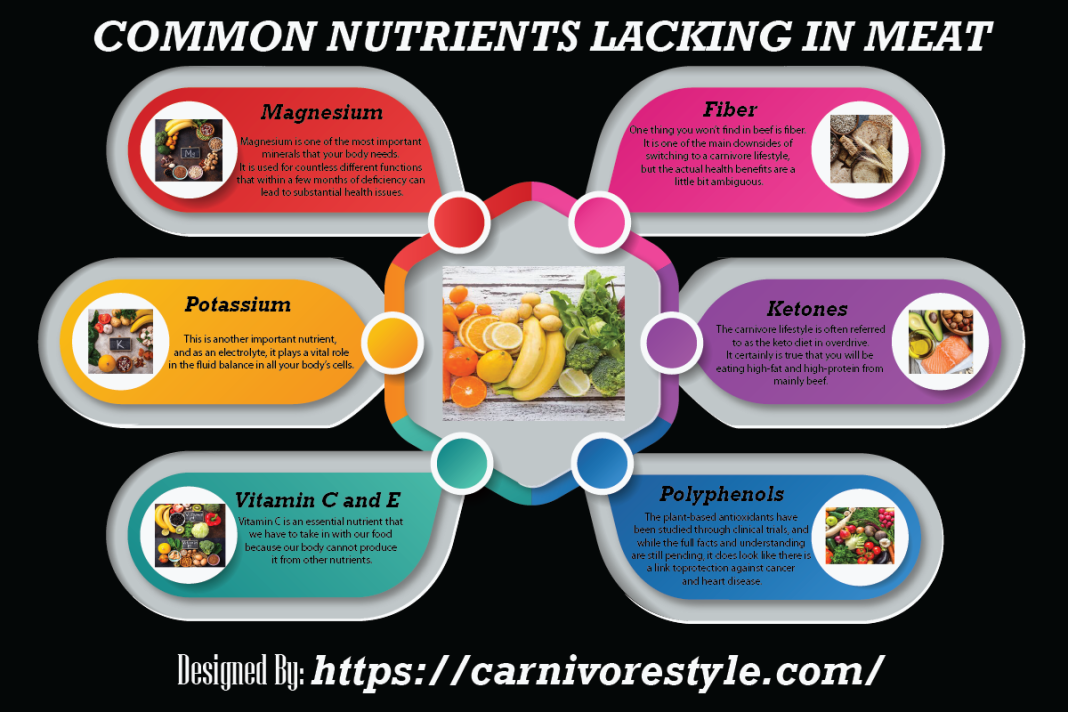
Leafy greens, whole grains, nuts, and seeds are essential components of a diet rich in magnesium. However, nearly half of Americans fail to meet their daily magnesium requirements, according to the Department of Agriculture. Men should aim for 420 mg daily, while women should target 320 mg.
The consequences of insufficient magnesium intake can be significant. Anna Taylor, a registered dietitian at the Cleveland Clinic, explains that magnesium plays a crucial role in numerous biochemical reactions in the body. It regulates blood pressure, blood sugar, heart rate, bone strength, and nerve and muscle function.
Research indicates that magnesium may offer protection against various health conditions. A study published in the journal Nutrients in 2021 found that consuming 320 mg of magnesium daily was associated with a 34 percent lower risk of cardiovascular disease compared to 240 mg per day. Another study from 2016, also published in Nutrients, demonstrated an 8 to 13 percent reduction in the risk of Type 2 diabetes for every 100 mg of magnesium consumed per day.
Furthermore, magnesium may decrease the risk of fractures, enhance muscle strength, and slow the progression of sarcopenia, a condition characterized by age-related muscle loss. It also plays a crucial role in immunity and is being investigated, alongside vitamin D, as a potential therapy for combating coronavirus infections.
While magnesium supplements are often promoted as aids for sleep, their efficacy and optimal dosage remain uncertain.
To ensure adequate magnesium intake, it is essential to focus on consuming magnesium-rich foods. While many foods contain magnesium in small amounts, the best sources include beans, whole grains, nuts, and seeds.
Some top food sources of magnesium include:
Pumpkin seeds: 1 ounce provides 156 mg
Cooked quinoa: 1 cup contains 118 mg
Frozen edamame: 1 cup supplies 99 mg
Dry roasted almonds: 1 ounce offers 79 mg
Cooked spinach: 1/2 cup provides 79 mg
Cooked Swiss chard: 1/2 cup contains 75 mg
Canned kidney beans: 1 cup offers 69 mg
70-85 percent dark chocolate: 1 ounce provides 65 mg
Cooked oatmeal: 1 cup contains 63 mg
Peanut butter: 2 tablespoons supply 54 mg
Individuals taking certain medications should pay special attention to their magnesium intake. Diuretics, proton pump inhibitors, bisphosphonates, and certain antibiotics can lead to magnesium deficiency. However, supplementation should only be undertaken under the guidance of a healthcare professional, as excessively high magnesium levels can have adverse effects.