The appointment of Mojtaba Khamenei as Iran’s new supreme leader coincided almost precisely with global oil prices crossing $100 per barrel — a convergence that spoke volumes about the direction the conflict was heading. With a hardline leader newly installed and military operations expanding daily, the prospect of de-escalation appeared increasingly remote.
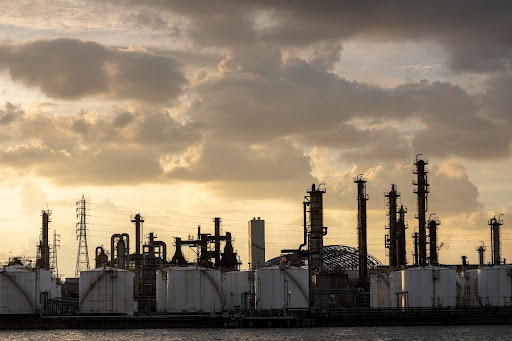
Israeli strikes on oil storage facilities in and around Tehran killed four workers and left the capital blanketed in smoke, triggering fresh Iranian threats to push global oil to $200 per barrel. The Revolutionary Guards warned Gulf states to exert pressure on Israel and the United States or face similar attacks on their own energy infrastructure.
The threats were already materializing. Saudi Arabia, the UAE, Bahrain, Qatar, and Kuwait all reported Iranian strikes. Saudi forces intercepted 15 drones, a desalination plant in Bahrain was hit, and two civilians were killed in Saudi Arabia. A US service member died from wounds sustained in an Iranian attack, the seventh American fatality of the war.
Reports that Russia had been providing Iran with intelligence to target US military assets in the region added another alarming dimension to the conflict, suggesting that it had evolved from a bilateral dispute into something with potentially global implications. Washington confirmed the death of its service member but did not immediately respond to the reports about Russian involvement.
Iran’s president had attempted to signal moderation, apologizing to Gulf states and suggesting strikes against them would stop. But with the military operating independently of that pledge and a new hardline supreme leader now at the helm, any hope of a near-term diplomatic resolution appeared to have receded significantly.